
The 89th Texas Legislative Session, which began on January 14, promises to be a pivotal moment in state politics. With significant power struggles, internal party divisions, and high-stakes policy decisions at play, understanding the session’s key dynamics is essential. In this article, we break down the key developments, leadership changes, and top priorities that will shape the course of the 2025 legislative session.
Understanding the Legislative Landscape
The Texas Legislature is a bicameral body, made up of the 150-member House of Representatives and the 31-member Senate. While Republicans hold substantial majorities in both chambers—88 of 150 House seats and 20 of 31 Senate seats—the true power lies in the hands of a few key figures; the Governor, the Lieutenant Governor, and the Speaker of the House.
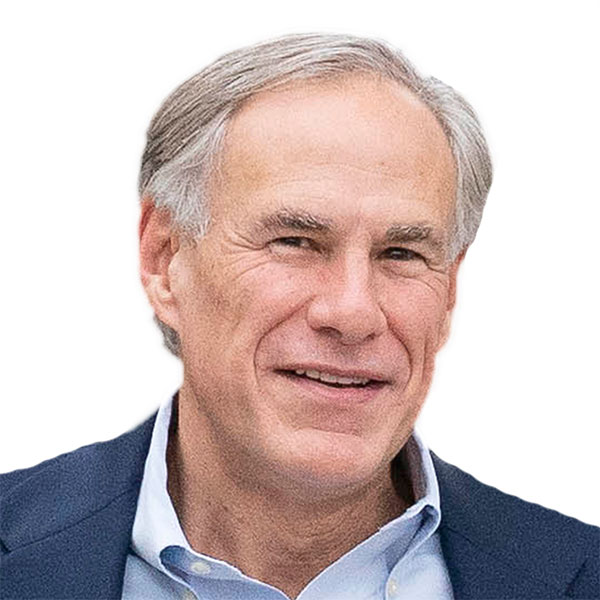
Greg Abbott
Governor
Governor Abbott wields significant power as the head of the executive branch, including the authority to veto legislation and call special sessions. His influence relies on collaboration with the Lieutenant Governor and Speaker of the House. Abbott sets the legislative agenda by designating emergency items, which lawmakers must prioritize in the first 60 days. He also has the power to sign or veto bills, including line-item vetoes in the state budget. While veto overrides are possible with a two-thirds majority, they are rare.
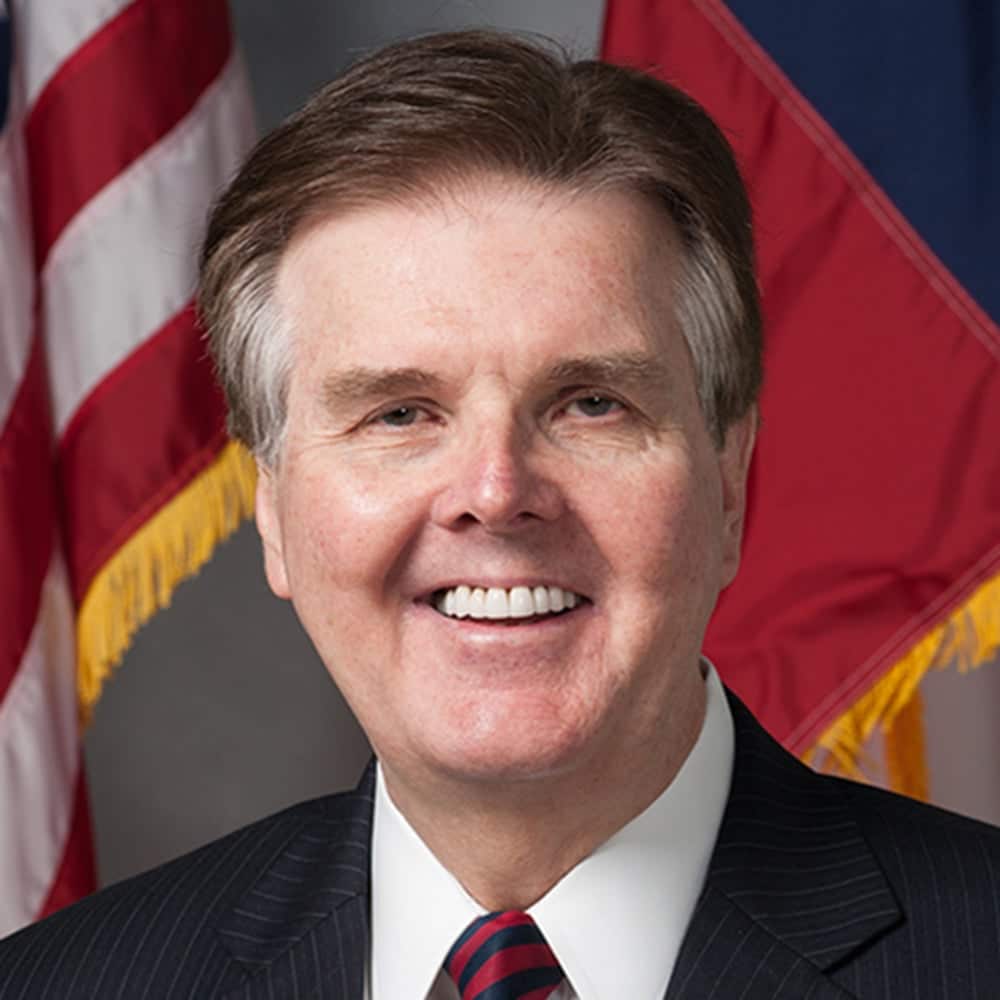
Dan Patrick
Lieutenant Governor
Lieutenant Governor Dan Patrick is the power broker of the Texas Senate. Elected every four years by the voters, he controls the Senate’s legislative agenda and committee assignments, with sweeping authority over which bills advance. Patrick’s influence extends to deciding procedural matters and breaking tie votes.

Dustin Burrows
Speaker of the House
Elected by the House members, plays a central role in shaping legislative priorities and committee structures. The speaker of the House plays a similar role as the lieutenant governor but must be elected by their colleagues. The Speaker appoints committee leaders and manages the flow of legislation through the chamber.
The Pace of the Legislative Session
The session runs from January 14 to June 2, but it unfolds at a deliberate pace. Here’s a quick timeline of key events:
- Early Organizational Phase (January – February)
The session begins with the swearing-in of new members and the election of the Speaker of the House, setting the stage for the work ahead. By late January, committee appointments are finalized, and hearings on proposed legislation start to take shape. In early February, the Governor delivers his State of the State address, unveiling his emergency priorities. These must be addressed within the first 60 days of the session. For advocates and constituents, this is an ideal time to engage—whether by contacting lawmakers or offering public testimony at hearings. - Key Deadlines (March – May)
March 14 is the 60th day and the deadline to file most bills. By April and May, the focus sharpens around key issues like the state budget, property tax reform, and school vouchers. Lawmakers work tirelessly to meet looming deadlines, often extending their work days well into the evening and even through weekends. The days are long, the halls of the Capitol crowded with tense negotiations, as legislators race to push bills through before time runs out. This continues until June 2, known as sine die—the final day of the session. - Governor’s Role in Final Decisions (June)
After the session ends, the Governor has until June 22 to sign bills into law or issue vetoes, although vetoes are rarely overridden in Texas.
The slow ramp-up of the session, combined with the fractious political environment, sets the stage for a high-pressure, high-stakes legislative period.
First Day of the 89th Legislative Session – January 14, 2025
The Senate: A Calm Start Amid House Turmoil
The Texas Senate opened the 89th session with relative calm. Lieutenant Governor Dan Patrick, while acknowledging the uncertainty in the House, expressed hope for a smooth session. Senator Brandon Creighton (R-Conroe) was elected President Pro Tempore without opposition, reinforcing the Senate’s stability.
The Speaker of the House: A Pivotal Battle
The election of the Speaker of the House was one of the most dramatic moments in the early days of the 89th session. The race, marked by deep divisions within the Republican Party, saw Rep. Dustin Burrows (R-Lubbock) win the Speaker’s position after a contested runoff against Rep. David Cook (R-Mansfield).
The race for Speaker of the House featured two key contenders: Rep. Dustin Burrows, a conservative Republican from Lubbock, who emphasized the importance of maintaining the chamber’s tradition of bipartisan dealmaking and coalition-building; and Rep. David Cook, another conservative Republican from Mansfield, who was supported by a faction of the GOP seeking a more assertive approach after the previous session’s failure to pass a school voucher bill championed by Gov. Greg Abbott and Lt. Gov. Dan Patrick. Rep. David Cook won the vote for the Republican Caucus, securing the support of a significant portion of the GOP. However, when the full House voted, the outcome shifted.
While the race initially included three candidates, it quickly boiled down to a head-to-head contest between Burrows and Cook. The first-round vote saw Burrows secure 71 votes, Cook 56, and Democrat Rep. Ana-María Rodríguez Ramos (D-Richardson) gain 23 votes. Since no candidate reached the necessary 76 votes, a runoff vote was held. Burrows ultimately triumphed with 85 votes to Cook’s 55, but his win was far from typical: 49 Democratic votes helped push him to victory. This bipartisan support was crucial in electing Burrows, and it signaled a potential shift toward a more collaborative, moderate agenda in the House. However, Burrows’ victory came with immediate backlash from hard-right Republicans, including Texas GOP Chair Abraham George, who labeled him a “Democratic Speaker” and even threatened censure for those who supported him.
In his first address, Burrows emphasized collaboration, transparency, and bipartisanship. He laid out priorities such as property tax relief, public school funding, water infrastructure, and anti-terrorism efforts, signaling that he would focus on issues important to all Texans, not just one faction.
Key Priorities for Governor Abbott, Lieutenant Governor Patrick, and Speaker Burrows
As the 2025 Texas Legislative Session begins, the state’s top leaders have laid out distinct priorities that reflect their political goals and the challenges facing Texas. Here’s a look at the key issues driving their agendas:
Governor Greg Abbott
Governor Greg Abbott has made private school vouchers a central focus for the upcoming session. “This next legislative session will be known as the school choice session,” Abbott declared on X. His push aims to expand school choice, allowing families to use public funds for private school tuition. Alongside this initiative, Abbott is also prioritizing increased funding for public schools, including teacher pay raises and workforce development. Abbott also intends to tackle long-term water infrastructure and bolster border security, issues he is expected to emphasize in his State of the State address.
Lieutenant Governor Dan Patrick
Lieutenant Governor Dan Patrick’s 2025 priorities center on maintaining Texas’ economic success by addressing key issues like property tax relief, housing, and infrastructure. He is pushing for additional property tax cuts following a $13 billion reduction in 2023, aiming to provide continued relief to homeowners. Patrick is also advocating for a $5 billion fund to strengthen the state’s power grid, ensuring Texas remains resilient as it grows.
A central issue for Lieutenant Governor Dan Patrick is affordable housing, which he views as critical to Texas’ future. In a recent exclusive interview with KHOU 11 News, Patrick warned that without affordable housing options, the state risks losing its competitive edge. One of the standout moments of the interview was when Patrick emphasized the importance of affordable housing, a topic that often doesn’t receive the attention it deserves. He warned, “If you can’t have affordable housing—if you can’t have reliable power—if you can’t have water, then people stop coming to Texas, and that miracle that we’ve experienced ends.”
Speaker Dustin Burrows
As Speaker of the House, Dustin Burrows has signaled a commitment to balancing Republican priorities with bipartisan cooperation. He has expressed a willingness to work with Democrats on issues such as property tax relief, public school funding, and home insurance. Burrows has also proposed grants to help homeowners strengthen properties against extreme weather—an area that could garner bipartisan support. Despite his moderate stance, Burrows is a supporter of private school vouchers, which he believes have the necessary votes for passage. Burrows has not taken a firm position on banning Democratic chairs, which could create friction within his coalition.
Democrats will need to present a united front
Democrats in Texas will need to present a united front as they enter the 2025 legislative session, especially in the House, where they are outnumbered 88-62 by Republicans. The party recently experienced a leadership change, with Rep. Gene Wu succeeding Rep. Trey Martinez Fischer as caucus leader. Despite these internal shifts, Democrats still have potential leverage, particularly on Republican efforts to amend the Texas Constitution. Amendments require a two-thirds majority in both chambers, and in the Senate, Republicans are just one vote shy of that threshold. In the House, Republicans will need 12 Democratic votes to pass constitutional amendments, providing an opportunity for Democrats to influence critical legislation, even in the face of their smaller numbers.
Texas Senate Committee Appointments for the 89th Legislature
On January 16, Lt. Governor Dan Patrick announced the Texas Senate committee appointments for the 89th Legislature, marking a shift in leadership and restructuring of key Senate committees. This reflects the Republican majority’s continued control over critical committees. No Democrats hold committee chairmanships this session, though several have been appointed as vice chairs, including on the influential Finance Committee.
The Senate’s Local Government Committee, which plays a central role in housing legislation, has been reduced from nine members to seven. New members, including Sen. Mayes Middleton and Sen. Molly Cook, join the committee, with Middleton taking the role of Vice Chair. The committee now has a balance of four Republicans and three Democrats, creating opportunities for collaboration and continued advocacy.
Texas Senate Local Government Committee Members for the 89th Legislative Session
*New Members
- Bettencourt, Paul (R-Houston)
- Middleton, Mayes* (R-Galveston)
- Cook, Molly* (D-Houston)
- Gutierrez, Roland (D-San Antonio)
- Nichols, Robert (R-Jacksonville)
- Paxton, Angela (R-McKinney)
- West, Royce (D-Dallas)
The departure of Vice Chairman Drew Springer (Retired), Sen. Sarah Eckhardt, Sen. Bob Hall, and Sen. Tan Parker marks the loss of valuable expertise in advancing housing legislation. While they are no longer serving on the Local Government Committee, TAAHP remains committed to working with them during the session to continue addressing critical issues in the affordable housing industry.
Additionally, the Senate has created a new Committee on Economic Development, separating it from the Natural Resources Committee. This shift reflects the Senate’s increased focus on economic growth in the 89th Legislative Session.
Managing the State Surplus: $194.6 Billion on the Table
One of the most significant aspects of the 2025 session is the state surplus, estimated at $194.6 billion for the 2026-2027 budget cycle. This surplus includes $23.8 billion carried over from the previous biennium, providing Texas lawmakers with a considerable financial cushion. However, Comptroller Glenn Hegar has urged caution in spending the surplus. With many Texans still feeling the impact of rising living costs—particularly in housing and groceries—lawmakers must strike a balance between short-term relief and long-term sustainability. Key spending areas include:
- Property tax cuts: Lt. Governor Patrick has already called for additional relief, building on 2023’s cuts.
- Public education: Advocates are pushing for increased funding, especially after the failure to pass school vouchers in the last session.
- Infrastructure investments: Water, housing and power infrastructure are growing concerns, with billions needed to ensure Texas’ long-term sustainability.
The Legislature will need to make thoughtful decisions about how to allocate the surplus. With priorities ranging from tax cuts to infrastructure investments, the challenge will be ensuring that critical services like education and healthcare are adequately funded, while also addressing the state’s long-term infrastructure needs.